
Navigating the Digital Frontier: Understanding the Impact Social Media Has on Mental Health
Updated: Feb 20
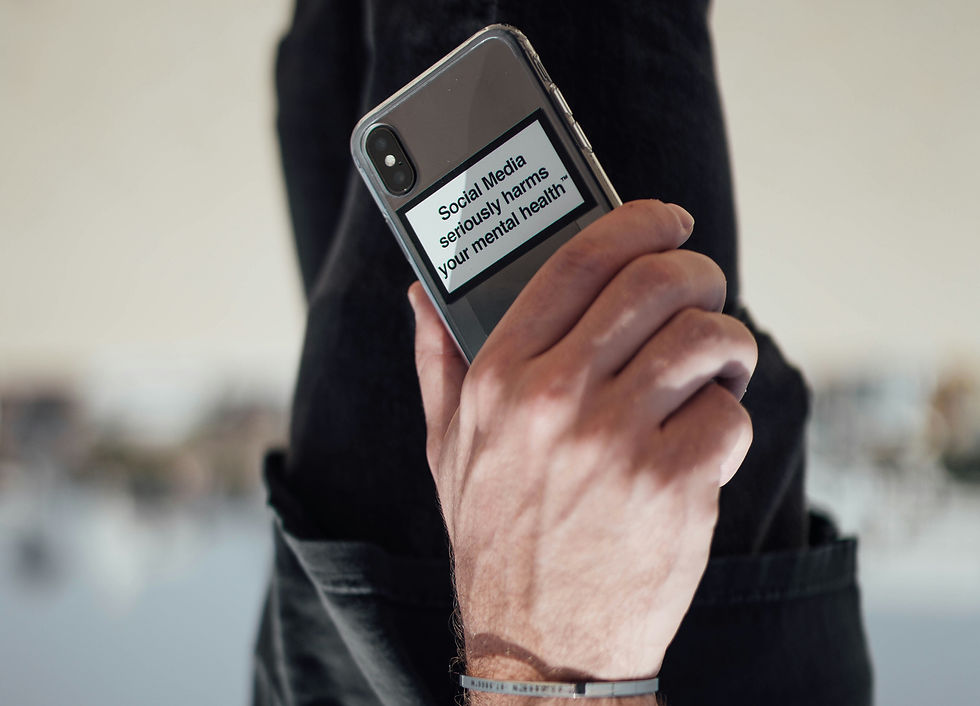
In the era of constant connectivity, social media platforms have become an integral part of our daily lives. From sharing personal moments to staying updated with global events, these digital spaces offer unparalleled opportunities for communication and connection. However, alongside their benefits, social media platforms have also brought to light a concerning trend: the impact they can have on mental health.
The Relationship Between Social Media and Mental Health
Social media platforms are designed to keep users engaged, often employing strategies like notifications, likes, and comments to encourage frequent usage. While this can foster a sense of community and belonging, it also opens the door to comparison, envy, and low self-esteem. The carefully curated content that floods our feeds can create unrealistic standards and foster feelings of inadequacy among users, leading to anxiety, depression, and other mental health issues.
Moreover, the constant barrage of information can be overwhelming, contributing to stress and burnout. The pressure to present a perfect image online can lead to feelings of isolation and loneliness when reality fails to measure up to the highlight reels displayed on social media.
The Impact on Self-Esteem and Body Image
One of the most prominent areas where social media affects mental health is in the realm of self-esteem and body image. With the rise of influencer culture and filters that can instantly alter appearances, many users find themselves comparing their bodies and lifestyles to unattainable ideals. This can lead to body dissatisfaction, eating disorders, and a distorted perception of one's self-worth.
The Culture of Validation and FOMO
Likes, comments, and shares serve as metrics of validation in the digital age, often dictating one's sense of self-worth. The quest for validation through social media metrics can become addictive, driving individuals to seek external approval at the expense of their mental well-being. Additionally, the fear of missing out (FOMO) can compel users to constantly check their feeds, leading to anxiety and compulsive behavior.
Cyberbullying and Online Harassment
Despite efforts to promote positivity and inclusivity, social media platforms are not immune to cyberbullying and online harassment. The anonymity afforded by the internet emboldens individuals to engage in harmful behavior, targeting others with hurtful comments and messages. The psychological impact of cyberbullying can be profound, leading to feelings of shame, worthlessness, and even suicidal ideation.
Taking Control of Your Digital Well-Being
While the impact of social media on mental health is undeniable, it's essential to remember that these platforms are tools that can be used positively or negatively. By cultivating awareness and adopting healthy habits, users can mitigate the negative effects of social media on their mental well-being:
Practice mindful consumption: Be selective about the content you consume and curate your online environment to prioritize positivity and inspiration.
Set boundaries: Establish limits on your social media usage and take regular breaks to disconnect and recharge.
Cultivate real-life connections: Prioritize face-to-face interactions and nurture meaningful relationships offline.
Be kind online: Practice empathy and compassion in your interactions with others, and report or block harmful behavior when necessary.
Seek support: If you're struggling with your mental health, don't hesitate to reach out to friends, family, or mental health professionals for support.
Ultimately, the key to navigating the digital frontier lies in finding balance and mindfulness in our online interactions. By fostering a healthy relationship with social media, we can harness its potential for connection and community while safeguarding our mental well-being in the process.
Comments